“You're making a costly mistake.”
That's what a mentor told me in 2018, across a conference table in Nashville. I'd just told him I was leaving a high-paying executive role to buy a farm in Kentucky and run a one-person advisory practice. The mentor was worth a few hundred million dollars and had earned the right to speak candidly to me. On paper he might have been right, especially since I was leaving a very desirable C-suite role to start an advisory practice with no customers and zero revenue, at a time in my life when I had a two-year-old son and a newborn daughter.
You're too young for this. You haven't earned it. You need to stay in the game longer. You'll be irrelevant.
Nashville, 2018
He was doing the math on the money. Most executives would've agreed with him. You might even find yourself nodding along with him too.
He was wrong.
So was everyone who said a version of it before, and everyone who said a version of it after.
Here's the part about career-altering decisions that took me twenty years to see.
Every decision that changed the direction of my career, for the better, was made outside. Every warning I got about those decisions was delivered inside. It took me twenty years to notice.
I quit my first real job over a Saturday
In 2006, my first corporate job required a shaved face, a tie every day but Friday, and arrival by 7:45 AM. Leave before 5:30? You're lazy. The game was won by being noticed by the managing director. Getting noticed required being seen. Optics over output.
Then they asked me to come in on a Saturday.
Saturday was for fly fishing. I quit.
At the time I told myself it was about the principle. It wasn't. It was the first time I watched a building full of people be completely certain about something and completely wrong. I was right, and I was the only one in the building who knew it.
Right about what? That the Saturday had nothing to do with the work. Nobody was going to sell more because we were all sitting at our desks on a weekend. It was a loyalty test wearing a work costume, and every person in that building had quietly agreed to pretend otherwise.
That's a small decision with a large shape. I've been making the same one, at increasingly bigger scale, ever since.
I collected river miles instead of hotel points
After quitting my job in 2006, I left Nashville, TN for Jacksonville, FL. I was scared, but I could surf and fish. So I did it scared.
The saltwater unleashed something in me. Something I was born with and still can't always find the words to explain.
My career pulled me back to Nashville in 2009, but I never stopped putting the water, especially the ocean, into the work.
I covered a massive territory for a medical device company. I camped and slept in my Subaru along the tailwaters of the Smokies so I could fish trout after a full day in the hospital's lovely fluorescent glare and 72 degrees. Instead of hotel points, I collected river miles.
When work took me to California, I booked near good surf on purpose. In the water before dawn. Full day of meetings starting at 9. I still had salt and sand in my ears.

Before dawn. Meetings at nine. Salt still in my ears.
Over that decade I led two sales organizations to premium exits. Professional Hospital Supply to Medline. Foundations Recovery Network to UHS. I made money. I made the investors more. Everybody won.
This was never about balance. Balance assumes two things pulling against each other. There was only one thing, and the water was where I did the part of it that mattered.
The weeks with water in them were the weeks I made the calls that changed things. Big bets that required conviction. Where the stakes were high, and if I was wrong, it could be career limiting.
The weeks locked in conference rooms and meeting marathons were the weeks I was too busy to think.
I flew across the country to
surf forty-eight degree water
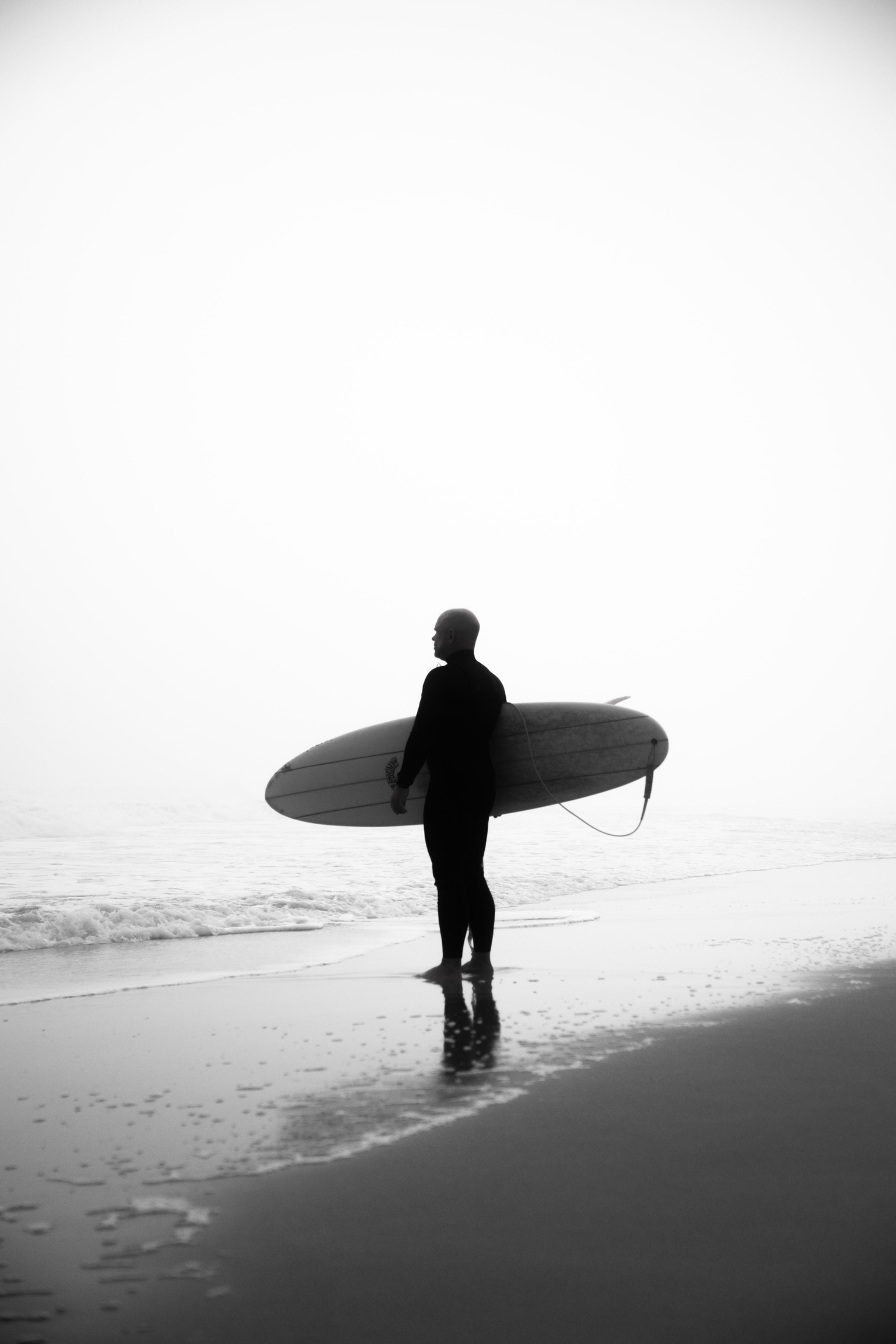
January 2017. El Porto, Los Angeles. Forty-eight degrees, overhead and heavy. Serious conditions, even for someone who had been surfing a long time.
Fifteen months earlier I had sold a company for $350 million. I was thirty-two. One of the youngest executives in a Fortune 300 company, about fifteen years younger than the median. I had a newborn son at home and a wife who deserved a husband who knew what he was doing with his career.
So I did what looked responsible. I stayed on at the acquirer. I hated it.
Then I walked away from a stack of stock to take the CEO seat at StoryBrand, because having a CEO title stroked my young ego. It seemed like the right move.
It wasn't. Five months in, I knew.
I quit that December.
What I still couldn't say out loud was the bigger thing sitting underneath it. I could feel the shape of it. I just wouldn't look straight at it, because looking at it meant admitting that the problem wasn't StoryBrand, and the next job wasn't going to fix it either.
I felt lost and embarrassed. It seemed like a failure. I was stuck. So in January I flew across the country to surf with a friend in water cold enough to hurt. I couldn't have told you why. It just felt like the thing to do.
Two full days on heavy waves. The best kind of sore.
Then late that night, lying in bed with a journal, the noise I had been carrying for months finally stopped.
The voice asking how I'd explain quitting. The voice asking whether the market would write me off as a failed CEO. The voice asking whether I'd have to go backwards and take a VP seat somewhere. Had my ego gotten the best of me?
All of it went quiet.
And what surfaced wasn't a strategy. It was a sentence.
I can't work for anyone else anymore.
El Porto, January 2017

Forty-eight degrees. Two days. The best kind of sore.
I flew home and started an advisory practice. Thirty days later I had my first client.
Notice what actually happened there, because it isn't about me.
The decision was never waiting on more information. I had all the information. It was waiting on the right environment.
The boardroom didn't surface it. My advisors didn't surface it. My own journal, at my own desk, in my own house, didn't surface it.
Silence and cold, scary saltwater did.
That's not a metaphor. It's a tool.
Where it didn't surface
Not the boardroom. Not my advisors. Not my own journal, at my own desk, in my own house. Silence and cold, scary saltwater did. That's not a metaphor. It's a tool.
My first client bought all
my capacity, and I took it
The advisory practice lasted about a month before it quietly became something else. Not because I regressed. I honestly thought I was making the right call. Wrong again.
Relode.com, that first client, asked to buy all my capacity. Every hour I had. It was flattering, it was good money, and it was the easiest “yes” of my career.
A year later I looked up and understood what I'd done.
I wasn't running an advisory practice. I had a job. One customer, one boss, one place to be, investors to satisfy, and a role I hadn't wanted since December of 2016.
I made the decision at El Porto and then sold it back inside of thirty days. The worst part is that I didn't see it for what it was. It was a hedge. It was an attempt to optimize for certainty. It was delusional.
Making a hard call once isn't the same as keeping it.
The pull back toward the safe version is constant, and it doesn't announce itself as fear. It shows up as a great opportunity from a client you like, veiled in prudence.
In May of 2018 I quit again. That time I meant it.
The most expensive advice I ever got was free
Then I bought the farm. Literally.
My mentor was right about one thing. It was costly.
It cost me a C-suite salary, the title that came with it, and the safety of a company somebody else was responsible for keeping alive. I traded all of it for zero customers and zero revenue, with a two-year-old and a newborn in the house.
I had run that number before he did, and more times than he ever would.
What he couldn't see is that the grind was going to cost me more, and that it was already costing him. He ran the math on what I stood to lose. Nobody in that room ran the other number.
Because the room only prices what the room can see. It can see salary. It can see title. It cannot see what a decision does to the next twenty years of your life, so it leaves that line blank and calls the model complete.
Andy Stanley calls it the legacy question. Not what will this cost me, but what story do I want to tell?
Every decision you make becomes a permanent part of that story, one decision at a time. My mentor was optimizing a number I'd have forgotten inside five years. I was deciding which story my kids would grow up hearing.
Advice given inside four walls is priced by people who are still inside them.
Sixty-five days in a tree built
a framework worth millions
The farm was in rural Kentucky, a coveted destination to chase whitetail with a bow. I did just that, at the pace of about sixty-five days a year. Alone, twenty feet up a tree. Solitude.
That's where Revenue Harvest was born.
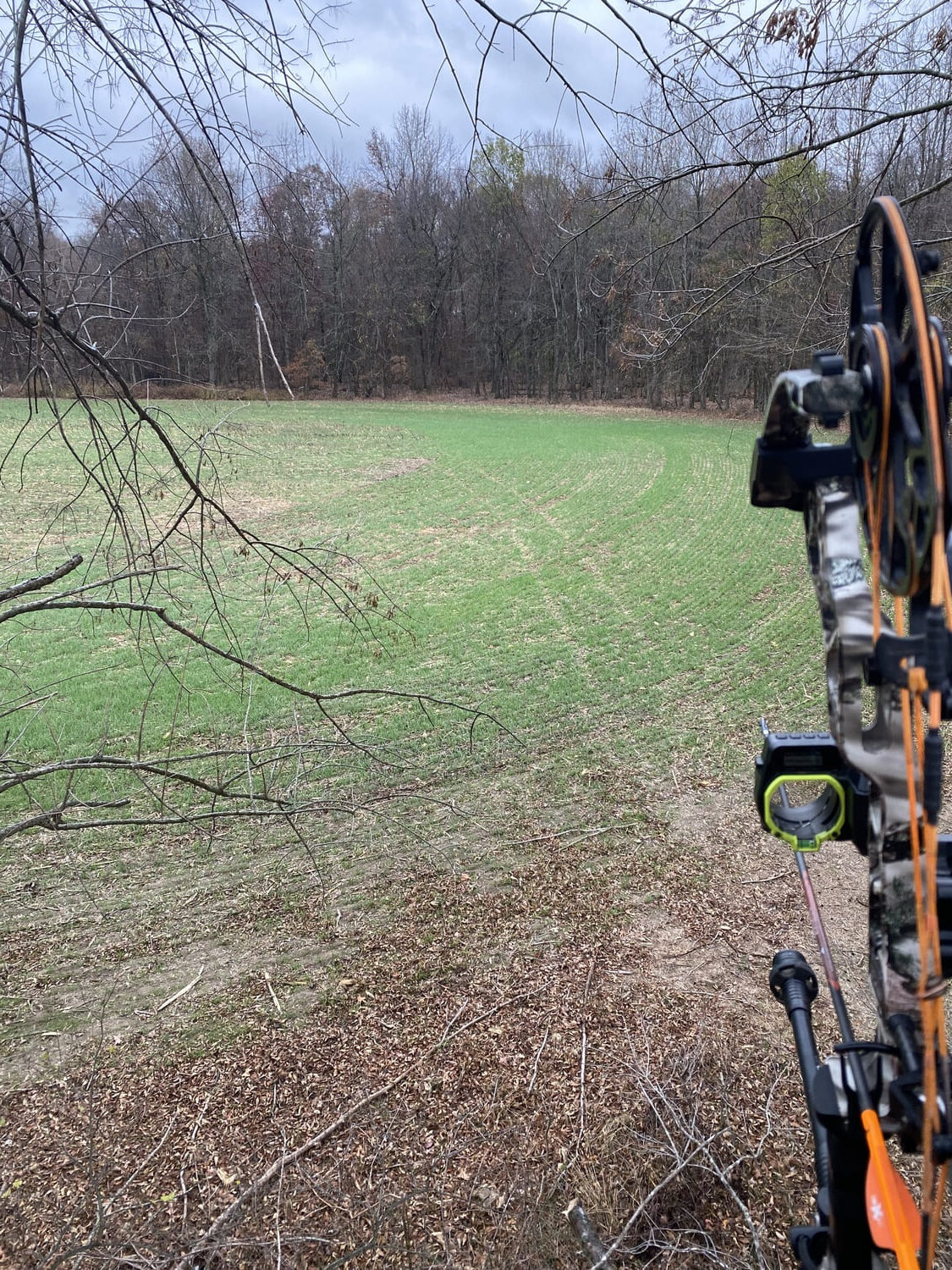
The office where Revenue Harvest was written. Typed by thumbs.
Living in a farming community, I started seeing what nobody sees from inside a conference room. Companies run on seasons, especially the durable ones. Cycles. Rhythms you can't rush and can't skip. Silent hours in a tree, watching patterns, gave me the room to build the seven principles that have since created tens of millions of dollars of market value for my clients.
Sit with that, because it's the whole argument of this document.
The framework wasn't built at the office. It was built in a tree. Typed by thumbs on an iPhone. Probably slower than a typewriter.
If I'd stayed in Nashville grinding sixty-hour weeks, it doesn't exist. Not a worse version of it. No version of it. Sixty-hour weeks don't leave much time to think.
I was hired two hundred times to fix the number
Then they started calling me. The same executives who told me I was making a mistake.
I've assessed more than two hundred sales teams. I've sat across from CEOs on the calls that actually mattered. Sell the business now. Fire the sales leader. Kill the legacy product line.
Here's what two hundred diagnostic reps taught me.
I was hired two hundred times to fix a revenue number. Revenue was almost never the problem. It was just the first symptom.
The dwindling pipeline, the customer churn, the poor close rate, all of it was a measurable proxy for something worse. The disease was structural. The wrong segment. The wrong org design. A leader everybody knew wasn't the leader. A product line the CEO had been keeping alive for reasons they couldn't say out loud in their own boardroom.
Sales is sales. Every business needs it. It's useless if the business underneath it is structurally broken and the CEO won't make the tough decisions.
So I stopped selling the fix and got dangerously good at one narrow thing. Getting a CEO to make the hard call they've been avoiding.
I built a forever home and sold it at a loss
In July of 2023 I sold the farm and moved back to Florida.
The farm had done its job. Revenue Harvest came out of those trees. Five years of my life are in that ground. And by 2023 it had run its course, which is a different thing from having failed.
Here's what it cost to admit that.
It cost money. Real money. I had built an expensive forever home on that land, and forever homes aren't designed to be sold in year five. I took the loss. It hurt.
It cost more than money. It cost me the identity of a man who had it figured out. That's what a forever home is, if you're honest about it. It's a public statement that the search is over. You've figured it all out. Selling one is a public statement that it wasn't.
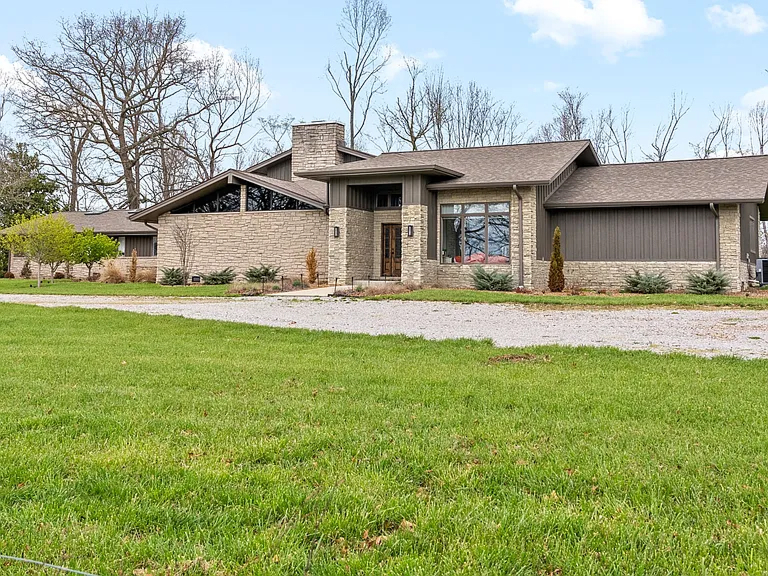
What the model could price.
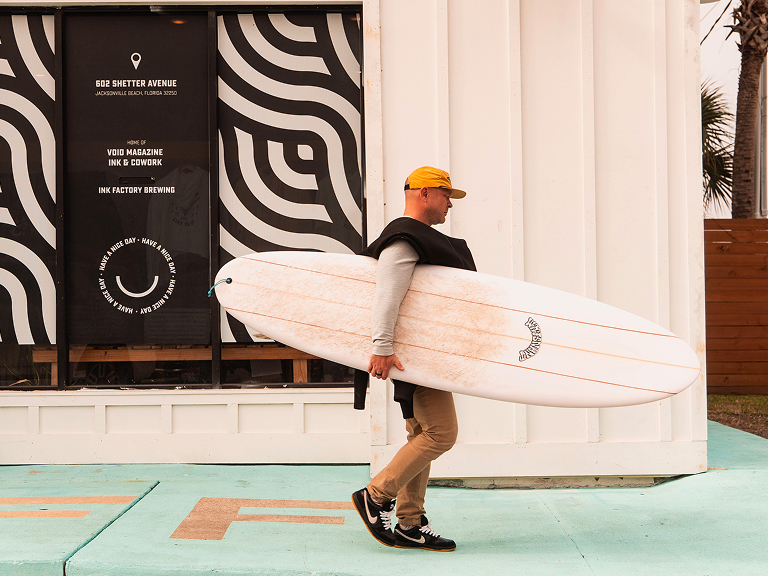
What it left blank. A hundred and twenty-five days a year.
Now run the other side of the ledger. The side the room never runs.
I walk to the beach. I surf or fish about a hundred and twenty-five days a year. Before that, I dreamed about one good surf trip. Maybe two in a good year. If you surf ten days a year, are you really a surfer?
There's no model that produces that answer. You can't build a spreadsheet where a hundred and twenty-five days in the ocean carries a number. The line stays blank, so the model says “too risky.”
An incalculable return is still a return. It just means the call required judgment instead of arithmetic.
The farm was the right answer to the question I was asking in 2018. It was the wrong answer to the question I was asking in 2023.
Knowing the difference is the entire skill.
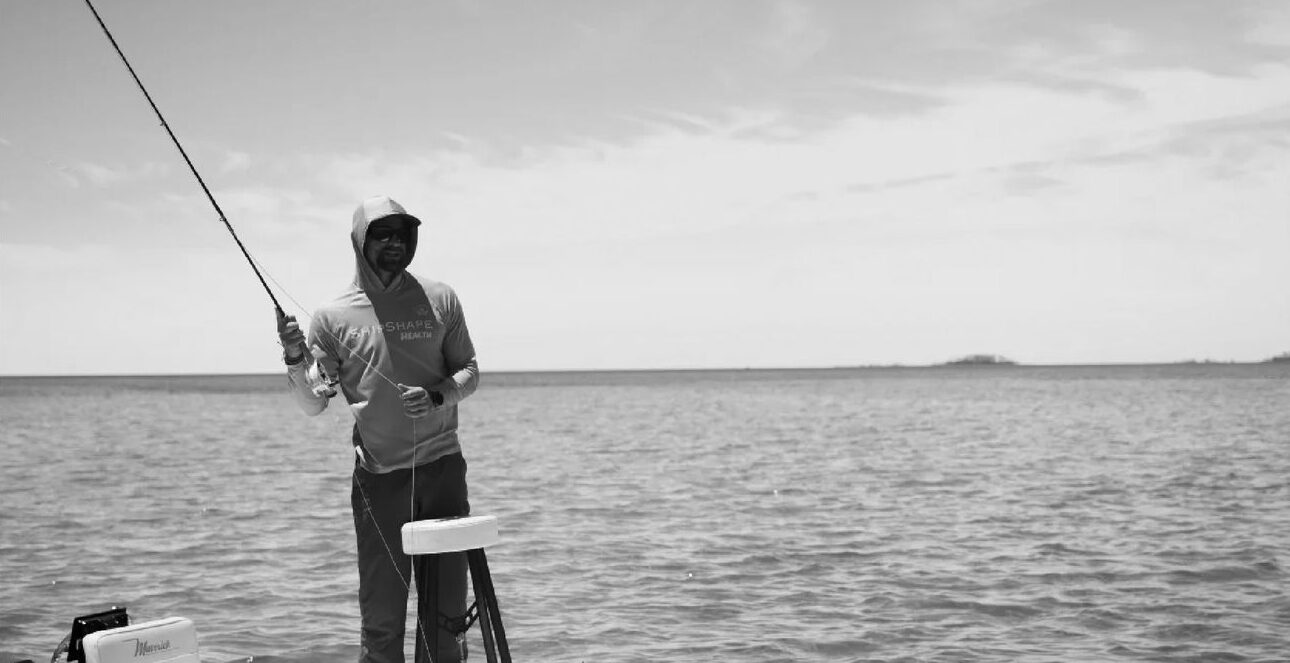
Six hours on a skiff. More than a year of Zoom.
Then a CEO asked if we could do it on the water
When I returned to Florida, something shifted. Executives stopped expecting me to fly to them. They started asking to come to me. The weather helps.
Then one of them asked a question that reorganized my business, and more importantly, my entire relationship with work.
Can we do this work on the water?
I knew the water helped me make better decisions. It had never occurred to me that it was something I could hand to somebody else.
It was informal at first. We'd fish. I'd ask questions. And they'd say things on the bow that hadn't come out in six months of Zoom calls. We'd get more done in six hours on a skiff than in an entire year of Zoom.
Not because the water is relaxing. It's demanding. The water doesn't reward posturing. There's no audience. You caught the fish or you didn't. You made the wave or you didn't. There's no room for indecision in the ocean. Hesitation will punish you.
Out there you stop performing, because there's nobody left to perform for. What's underneath is what you actually think.
That was the moment the pattern stopped being personal. I wasn't the only one who thought better outside. I couldn't unsee it.
Everyone thinks better on the water.
Every piece of advice I got indoors was wrong
- Take the record on its own terms.
- You're too young for this. Wrong.
- You haven't earned it. Wrong.
- You need to stay in the game longer. Wrong.
- You'll be irrelevant. Wrong.
- You'll become irrelevant if you're not in a city mixing it up with other executives. Said again in 2023, by different people, about a different move. Wrong again.
Now the exception. There's exactly one.
At a Refuge Foundation event in Montana, four days of fly fishing and honest talk, my friend Richard looked at me one night beside the fire and said, “You have to write the book.”
That became How to Hire Elite Salespeople. A #1 bestseller on Amazon.
The single best piece of advice I ever received was delivered outdoors, at night, by a man with nothing to gain from it.
Advice given indoors is priced by the room. Advice given outside is priced by the truth.
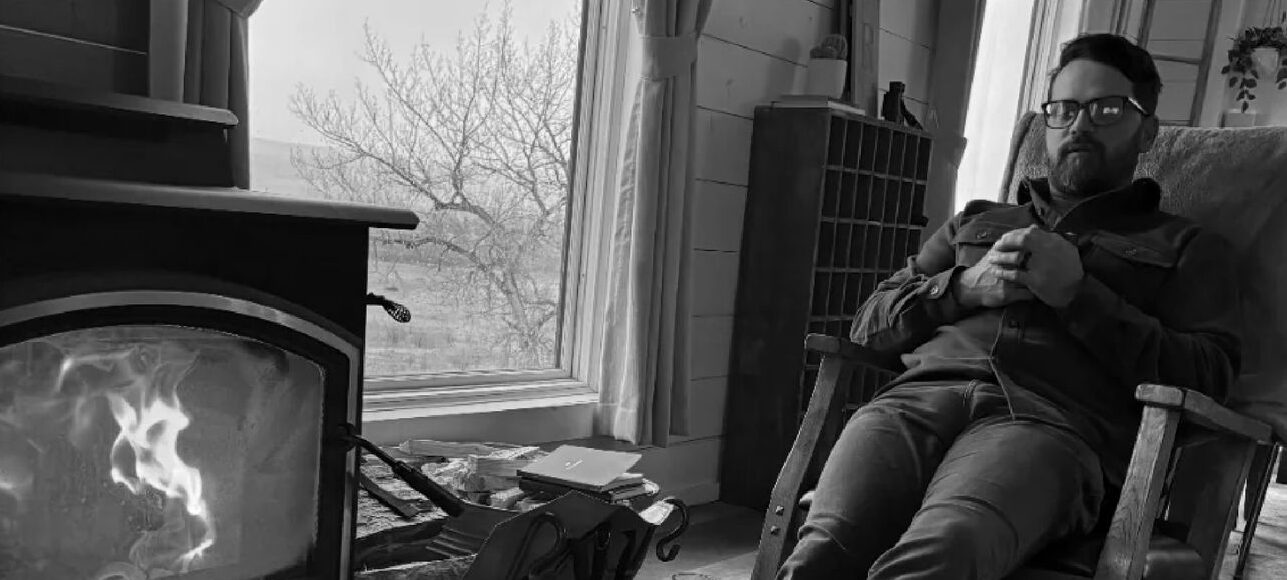
One sentence, beside the fire. It became a book.
Here's what I remember most about that night. What happened after he said it.
Nothing.
No debate. No pro and con list on the flight home. No calling three people to see whether they agreed. No pilot. No trial. The argument in my head just stopped, and it never started back up.
That's how I know a decision has landed. Not certainty. Silence. When the competing voices quit, the call has already been made and everything after it is logistics.
How I know it landed
Not certainty. Silence. When the competing voices quit, the call has already been made and everything after it is logistics.
Six hours on a skiff. More than a year of Zoom.
I bought a house a hundred yards from a boat ramp
Not for the view. Not for the asset appreciation, and certainly not for the cash-on-cash return. The house sits empty most of the week.
I bought the house because a CEO deciding whether to kill a product line won't say the true thing in a hotel conference room, but they'll say it on the walk back from a day on the water.
I run decision days out of that house. A CEO arrives carrying dozens of concerns and leaves with one to three structural decisions made. They arrive with a noisy head full of competing voices. They leave with quiet conviction. One of my clients called it a magic pill.
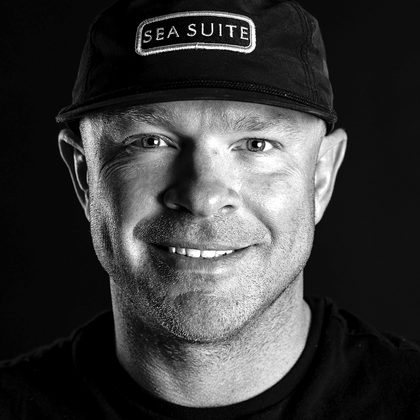
I've run about a dozen of them now. I call it Sea Suite.
Andrew Bruhl, the CEO of Ship Shape Health, made one structural change coming out of his decision day. He stopped selling to individual mariners and started selling to the companies that employ them. Forty-five days later he had signed four corporate contracts and more than doubled revenue, covering over 3,200 mariners a month where he had reached 113 individual customers in the life of the business.
Six weeks to execute it. He'd spent months circling it.
That's not a feeling. That's a decision with a receipt.
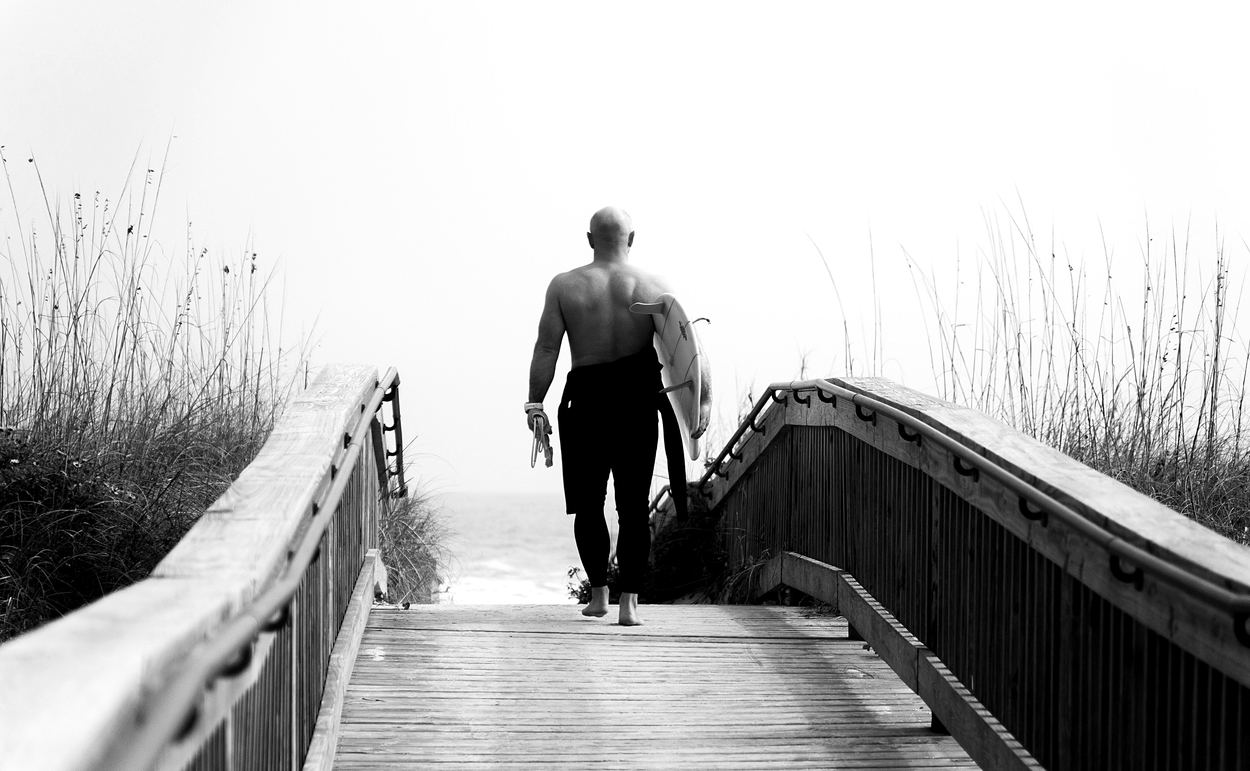
The walk back. Jacksonville Beach, Florida.
I didn't leave the executives. I left the room.
Everybody told me the same thing in different decades. Stay in the rooms. Stay in the city. Stay in the game. Proximity is what keeps you relevant.
They had it backwards, but not for the reason you'd expect.
The problem was never the people. Some of the best counsel I've ever gotten came from other operators. One of them changed the direction of my life beside a fire in Montana.
The problem is the room those people are standing in.
Put a smart, honest executive in a boardroom and watch what the room does to what he says. He starts weighing how it will land. He starts protecting a position he didn't know he had. What comes out is rounded off, defensible, and safe.
He isn't lying to you. He just isn't being honest. The room won't let him.
Take that same man out on the flats and ask him the same question. You'll get a different answer. Not a smarter one. A truer one.
I left the rooms, which is why I can see what happens inside them. The theater. The politics. The posturing.
Yvon Chouinard called his book Let My People Go Surfing. Most people hear a perk in that title. It isn't one. It's a conditions argument. You can't put good surf on a calendar. The swell arrives when it arrives, and you go, or you miss it.
He was describing waves. He was also describing judgment.
The conditions for a good decision don't show up on your calendar either. They arrive when the noise drops, when there's no audience, when nothing needs defending. You don't schedule that. You put yourself where it happens and you go when it's there.
I have never once found those conditions in a conference room. Nothing in a conference room carries a real consequence. Say the wrong thing at a boardroom table and you lose a little face. One falter in overhead surf and the ocean holds you under until it's finished with you.
Only one of those makes a person honest.
They told me I was choosing irrelevance.
I was choosing an edge.
My peers are still making the biggest calls of their careers in the one room built to keep them from making a call at all.
That's not a lifestyle difference. That's a competitive advantage. It has been sitting there the whole time.
Nigel Green
Jacksonville Beach, Florida